Speech and Language Therapy Service
Our Speech and Language Therapy service provides neuroaffirming, sensory‑informed support for children, adolescents and adults who communicate differently. We recognise that communication is deeply connected to identity, relationships, sensory experience and emotional wellbeing, and we work to understand each person’s unique way of interacting with the world.
Who We Support
We offer assessment and therapy for individuals who:
Communicate in ways that differ from mainstream expectations, including autistic people
Experience differences in sensory processing and regulation
May feel misunderstood or unsupported in everyday interactions
Our approach is strengths‑based and collaborative. Rather than trying to change or “fix” communication, we focus on understanding each person’s natural communication style and supporting environments to meet their needs.
Our Approach
Communication does not exist in isolation. Therapy considers the wider picture, including:
Sensory processing
Regulation and emotional experience
Environment, relationships and expectations
This holistic perspective allows therapy to be meaningful, respectful and sustainable.
Children & Young People
For children, therapy is:
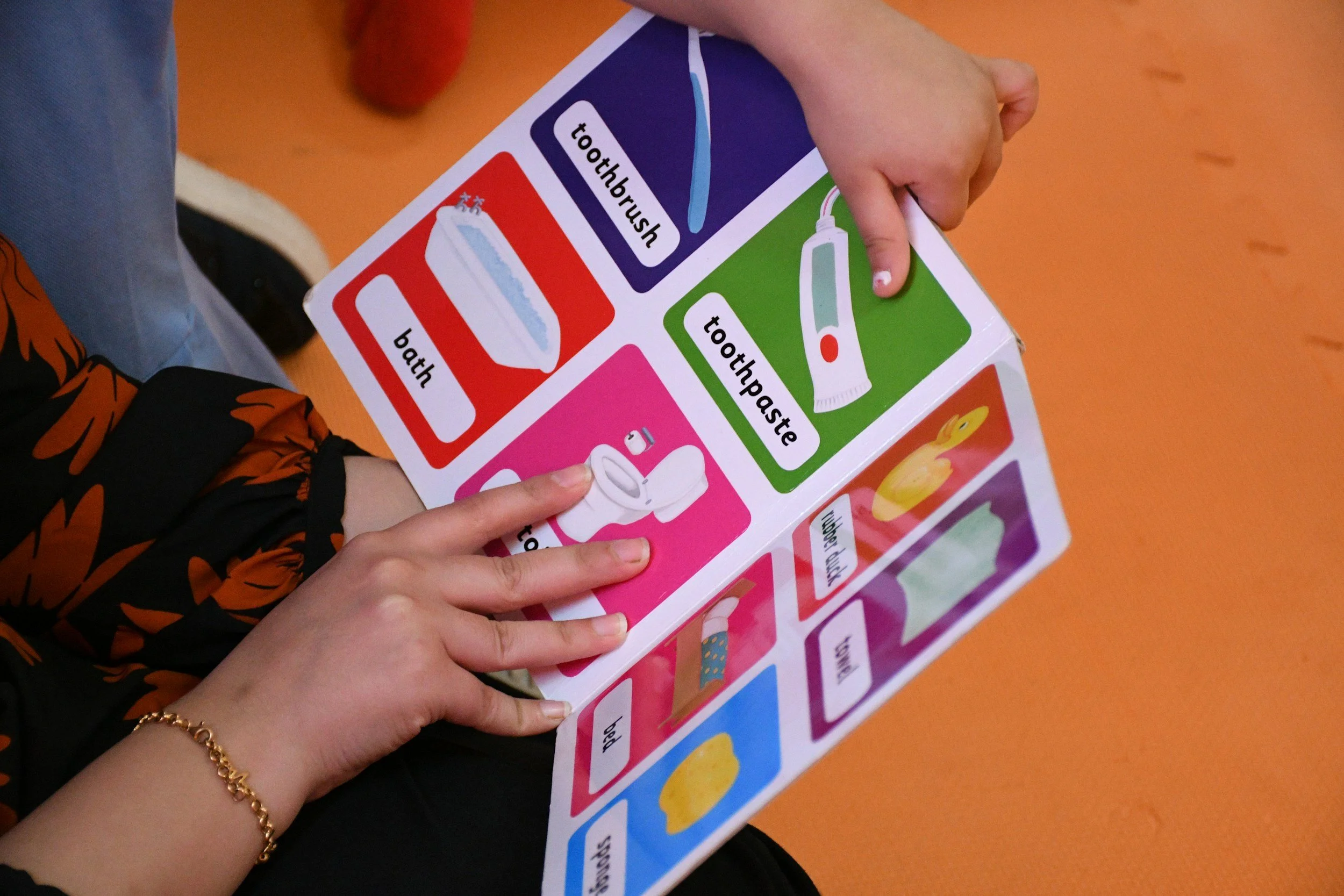
Play‑based and relationship‑led
Adapted to each child’s communication style
Grounded in sensory‑informed practice
We support communication development in ways that feel natural and comfortable for the child. Parents, caregivers and schools are actively involved to ensure strategies are understood and embedded in everyday life.
Adolescents
For adolescents, therapy often focuses on:
Understanding personal communication patterns
Exploring identity and reducing masking
Managing sensory and emotional overwhelm
Developing practical strategies for real‑life situations
Sessions are collaborative and supportive, helping young people understand themselves more deeply and communicate in ways that feel authentic and manageable.